


How Ultra-Processed Foods Affect Heart Health — and What You Can Do About It
- Lauren Ferrer

- Mar 10
- 4 min read
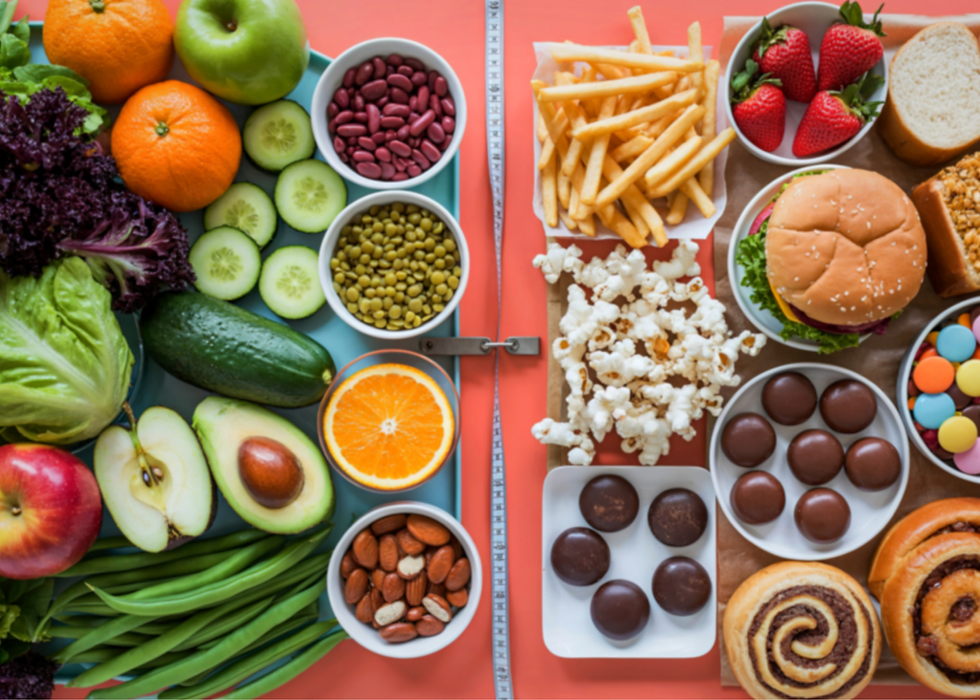
Walk through almost any grocery store and you will see shelves filled with brightly packaged snacks, sugary drinks, frozen meals, and processed meats. These products are convenient and widely available, but new research suggests they may come with a significant health cost.
A 2026 study published in The American Journal of Medicine found that adults who consume the highest amounts of ultra-processed foods face a 47% higher risk of cardiovascular disease, including heart attacks and strokes.
The findings add to growing evidence that highly processed diets may contribute to chronic health problems affecting the heart, metabolism, and overall well-being.
Understanding what ultra-processed foods are and how to reduce them in everyday meals can help protect long-term cardiovascular health.
What the New Study Found
Researchers analyzed dietary and health data from 4,787 U.S. adults participating in the National Health and Nutrition Examination Survey (NHANES) between 2021 and 2023.
On average, participants received 26% of their daily calories from ultra-processed foods, meaning roughly one out of every four calories came from heavily modified products.
When researchers compared people who ate the most ultra-processed foods to those who ate the least, they found a clear pattern.
Adults in the highest consumption group had a 47% higher risk of cardiovascular disease, even after accounting for factors such as age, sex, race and ethnicity, income, and smoking status
While the study cannot prove direct cause and effect, the results reinforce a growing body of research suggesting that diets high in ultra-processed foods may increase the risk of heart disease.
What Counts as Ultra-Processed Food?
Ultra-processed foods are products that have been heavily altered through industrial processing and often contain additives designed to improve flavor, texture, or shelf life. These foods typically include ingredients not commonly used in home cooking.
Common examples include:
Sugary soft drinks and energy drinks
Packaged snack foods like chips and crackers
Candy and desserts
Frozen pizzas and ready-to-eat meals
Processed meats such as hot dogs and deli meats
Sweetened breakfast cereals
These products often contain high levels of sodium, added sugars, and unhealthy fats, while offering fewer nutrients such as fiber, vitamins, and minerals.
Over time, these nutritional imbalances may contribute to inflammation, high blood pressure, and other cardiovascular risk factors.
Why Diet Quality Matters for Heart Health
Heart disease remains one of the leading causes of death in the United States. Lifestyle choices such as smoking, physical inactivity, and poor diet all influence risk.
Ultra-processed foods may affect cardiovascular health through several mechanisms.
These products often contain:
Excess sodium, which can raise blood pressure
Added sugars that contribute to metabolic dysfunction
Highly refined carbohydrates that spike blood sugar
Artificial additives that may influence inflammation
At the same time, diets high in processed foods tend to be lower in protective nutrients, including fiber, antioxidants, and healthy fats that support cardiovascular function.
The result is a dietary pattern that can gradually increase strain on the heart and blood vessels.
Practical Ways to Reduce Ultra-Processed Foods
The goal is not perfection. Even small changes can help lower overall intake and improve diet quality over time. Here are practical steps that many patients find manageable.
Read ingredient lists
When shopping for packaged foods, look at the ingredient label.
Products with shorter ingredient lists and recognizable ingredients are usually less processed than those with long lists of additives and artificial components.
Swap one processed snack per day
Replacing just one ultra-processed snack each day can make a difference over time. For example, choose fruit instead of packaged cookies or nuts instead of chips. Small swaps help gradually reduce reliance on heavily processed foods. Even cooking simple meals at home built around vegetables, lean proteins, whole grains, and healthy fats can support heart health while reducing sodium and added sugars.
Limit sugary drinks
Sugar-sweetened beverages are one of the largest sources of ultra-processed calories in many diets. Reducing soda, energy drinks, and sweetened juices can significantly lower daily sugar intake. Healthier alternatives include water, sparkling water, unsweetened tea, or coffee without added sugar.
Focus on whole foods first
A helpful rule of thumb when grocery shopping is to build meals around foods that resemble their natural form, such as fresh vegetables and fruits, whole grains like oats or brown rice, beans and legumes, fish and lean meats, nuts and seeds. These foods tend to provide more nutrients and fewer additives than highly processed alternatives.
The Bottom Line
New research involving nearly 4,800 U.S. adults found that people who consumed the most ultra-processed foods had a 47% higher risk of heart attack or stroke compared with those who consumed the least.
With ultra-processed foods making up a significant portion of the modern diet, even modest reductions could have meaningful benefits for cardiovascular health.
Choosing more whole, minimally processed foods and limiting packaged convenience products can be a powerful step toward protecting the heart.
Supporting Long-Term Cardiovascular Health
Heart health is influenced by many factors, including diet, exercise, sleep, and chronic conditions such as hypertension or sleep disorders.
At Ferrer Pulmonary Institute, our team works with patients to evaluate respiratory and cardiometabolic health, identify underlying risk factors, and develop personalized strategies that support better breathing, sleep, and overall wellness.
If you are experiencing symptoms such as shortness of breath, sleep disturbances, or persistent fatigue, our specialists can help determine whether cardiovascular or pulmonary factors may be involved.
Visit pulmonary-institute.com to learn more about our services or schedule an appointment with our team.


Comments