


Saunas and Cold Plunges Are Everywhere. But Are They Actually Good for You?

Scrolling through a fitness influencer’s page, you will likely see a familiar routine: a workout followed by time in a sauna or a plunge into cold water first thing in the morning. The promise is appealing. Better recovery. Clearer thinking. A stronger body.
But beyond the aesthetic and the hype, what are these trends actually doing to your body, and should you be doing them too?
Dr. Ferrer’s Take
According to Dr. Gustavo Ferrer, these practices are often misunderstood.
“Saunas and cold plunges are often framed as biohacking, but physiologically, they’re controlled stressors,” he explains. “Used thoughtfully, they may offer benefits. Used indiscriminately, they can provoke harm, especially for people with lung or heart disease.”
What looks like a wellness shortcut is actually the body being pushed through rapid physiological shifts. While healthy adults may tolerate this stress, it is far from a one-size-fits-all routine.
For those without underlying conditions, moderate sauna use may increase circulation, relax respiratory muscles, and temporarily ease breathing discomfort. The warm air can also help loosen mucus, improving airway clearance. Some individuals with mild, stable lung conditions may experience short-term relief under medical supervision, but Dr. Ferrer emphasizes this is “adjunctive at best, not treatment,” and evidence remains limited.
The Risks
At the same time, the risks are often downplayed. Sudden temperature changes can spike blood pressure, trigger bronchospasm, and lead to dizziness or fainting. Alternating between hot and cold, known as contrast therapy, can amplify these effects.
“The heat–cold cycling trend is particularly risky due to abrupt physiologic shifts,” Dr. Ferrer notes.
His recommendation is simple: approach with caution. Sauna sessions should be limited to 15 to 20 minutes at a moderate temperature, with proper hydration and an immediate exit if symptoms arise. He also suggests placing a damp cloth over the face to cool and humidify inhaled air.
Cold exposure, if attempted, should be brief, not excessively cold, and never done alone. Most importantly, avoid jumping directly between extremes unless medically cleared.
What’s Actually Happening in Your Body
Saunas and cold plunges sit on opposite ends of the temperature spectrum and affect the body in very different ways.
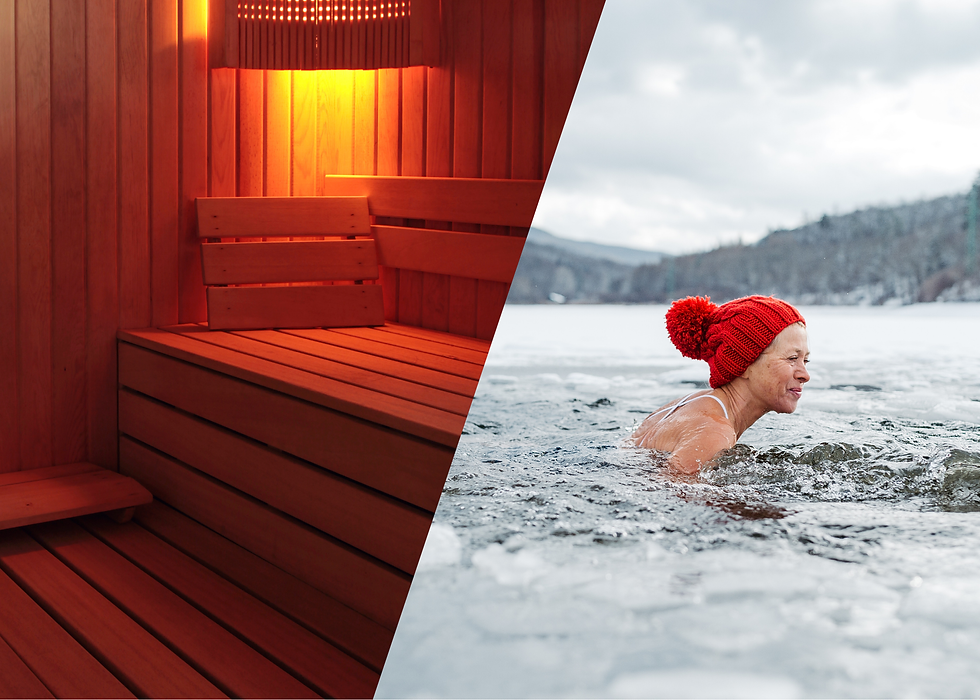
Saunas expose the body to high heat, causing blood vessels to dilate and increasing circulation. This can relax muscles, promote sweating, and create a temporary sense of relief, particularly after exercise.
Cold plunges do the opposite. Cold water causes blood vessels to constrict, which may reduce swelling and inflammation. This is why ice baths have long been used for recovery. The shock of cold exposure can also activate the nervous system, increasing alertness.
For many, the appeal lies in combining the two. Alternating between heat and cold is thought to “train” blood vessels by forcing them to expand and contract rapidly. While this sounds beneficial, the reality is more complex.
For Your Lungs
From a lung health perspective, the effects are mixed.
The warm, humid environment of a sauna may help loosen mucus and support short-term breathing comfort for some individuals. However, heat or dry air can also worsen symptoms or trigger flare-ups in those with chronic lung conditions.
Cold plunges introduce a different challenge. The body’s immediate reaction often includes rapid breathing or hyperventilation. For individuals with underlying lung disease, this can increase the risk of dizziness, fainting, or more serious complications.
Dr. Ferrer cautions that cold exposure can “trigger bronchospasm, cause air hunger, and stress already-compromised lungs.” He also notes there is no strong evidence that cold plunges improve lung function, with most benefits tied to recovery and nervous system response.
Your Overall Health
Both therapies also place stress on the cardiovascular system. Saunas tend to lower blood pressure initially, while cold plunges can sharply increase it. That rapid shift, especially when combined, can strain the heart.
For those who choose to participate, moderation is key. Sauna sessions should start short and gradually increase, never exceeding about 20 minutes. Hydration is critical. Cold plunges should be brief and approached with careful attention to how the body responds.
Who Shouldn’t Participate
These trends are not for everyone. People who are pregnant, have heart conditions, high blood pressure, or chronic lung disease should be especially cautious. The same applies to children and older adults, who may not adapt as easily to extreme temperature changes.
Even situational factors matter. Using a sauna while dehydrated or after drinking alcohol can increase the risk of complications.
Dr. Ferrer also advises avoiding both practices during illness. “Short answer: no,” he says. Heat can worsen respiratory infections and dehydrate the airways, while cold exposure can suppress immune response and add stress to the body.
The biggest misconception is that popularity equals safety. In reality, these practices place real stress on the body, which may be beneficial for some and harmful for others.
If you are considering adding saunas or cold plunges to your routine, the most important step is also the simplest: talk to your healthcare provider. What works for one person may not be appropriate for another.


Comments